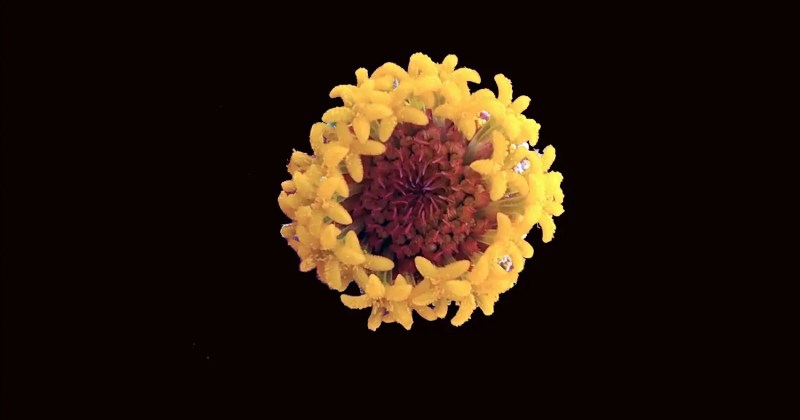
While regenerative medicine is going strong in biomaterials labs, in the last few years many seem to have moved a part of their vision to disease models. From making engineered tissues that promote healing inside the body, to making three dimensional in vitro models, as tools to study cellular interactions during disease.
In vitro models should work to understand all the different ways that cells interact with the extracellular matrix (ECM) and with other cells to allow disease to occur. With healthy tissues as a reference. The concept of in vitro model has also evolved quickly, from basic concepts that considered only one type of interaction to advanced models that start to bring in the complexity of cells – matrix interactions [1].
Cell change their behaviour and phenotype in response to signals such as matrix mechanical properties, matrix composition and degradation, the presence in the matrix of a variety of molecules, and more. To add to the complexity, the cell’s response and the signals received are very dynamic. 3D systems that only rely on the cells themselves, often result in dense, immature, and heterogeneous cell clusters with limited reproducibility and functionality. By creating biomaterial environments that mimic the ECM in different aspects at the same time, researchers can guide stem cell differentiation and the development of tissue structures such as organoids more effectively.
The first use of biomaterials in biomedical applications was as structural and inert support. Their current use has evolved to enhance functionalities of complex engineered systems [2], exploring their versatility as tunable platforms that provide instructive cues, which enhance cell fate transitions, tissue-level functions and reproducibility. New engineered 3D matrices and modular hydrogels create controlled environments. Biomaterials made from natural and synthetic polymers are being used to tune properties like stiffness and viscoelasticity, influencing cell signaling and tissue formation. For instance engineered matrices that mimic the key features (biochemical and mechanical) of a tumour such as pancreatic ductal adenocarcinoma, have just shown that its altered stiff ECM is the primary cause of chemoresistance [3], a characteristic feature of this lethal cancer.
References
[1] LeSavage, B.L., Suhar, R.A., Broguiere, N. et al. Next-generation cancer organoids. Nat. Mater. 21, 143–159 (2022). https://doi.org/10.1038/s41563-021-01057-5.
[2] Musah, S., Arzaghi, H. Unleashing the power of biomaterials to enhance organoid differentiation and function. Nat Methods 21, 1575–1577 (2024). https://doi.org/10.1038/s41592-024-02393-5.
[3] LeSavage, B.L., Zhang, D., Huerta-López, C. et al. Engineered matrices reveal stiffness-mediated chemoresistance in patient-derived pancreatic cancer organoids. Nat. Mater. 23, 1138–1149 (2024). https://doi.org/10.1038/s41563-024-01908-x
 Andrés Alba-Pérez